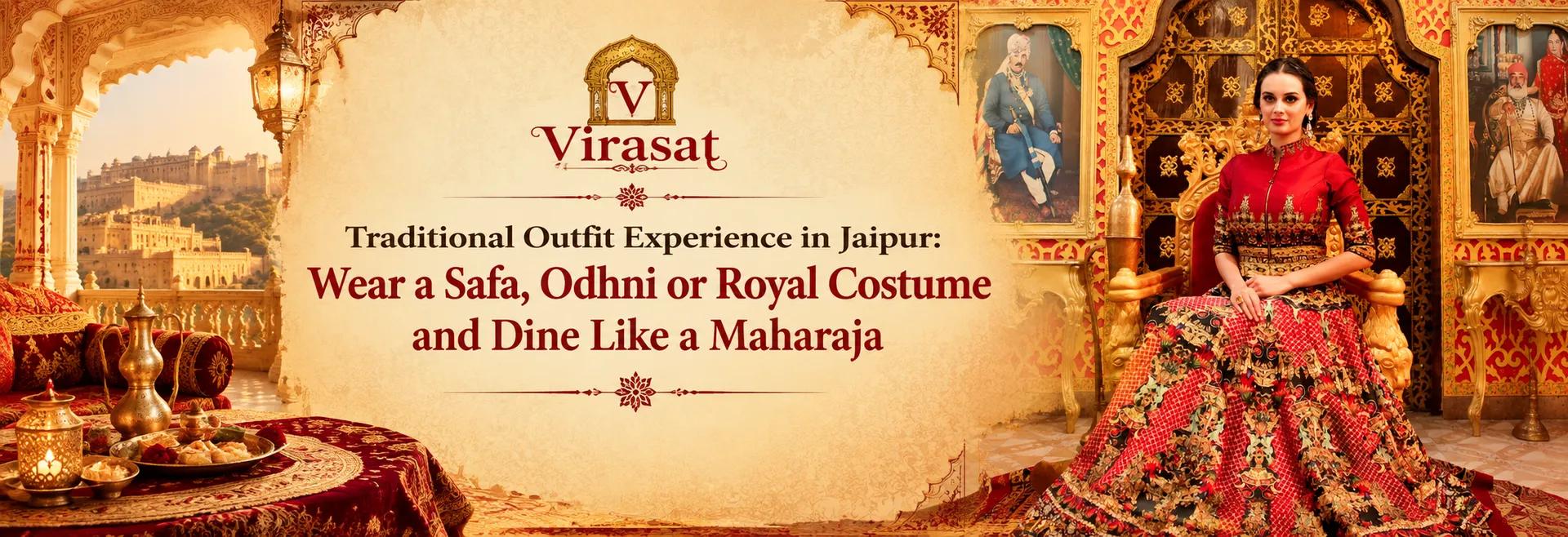
Traditional Outfit Experience in Jaipur: Wear a Safa, Odhni or Royal Costume and Dine Like a Maharaja
Somewhere between the petals at the door and the first beat of the dhol,
a host lifts a length of bright cloth, makes a few practised turns around your
head, tucks in the last fold and steps back. You are now wearing a safa. Your
shoulders have already moved back a little.
That small moment is the heart of a traditional outfit experience in
Jaipur. You put on Rajasthani dress: a hand-tied safa (turban), a leheriya
or bandhani odhni, lac bangles and, for children, a full king-or-queen costume.
Then you sit down in a heritage darbar hall to a live folk performance and a
long, generous dinner. At Virasat
Heritage Restaurant in Kukas, dress-up is part of the evening programme
and of the Royal Kids
Program, about 15 minutes from Amer Fort.
Rajasthani dress is a language. The colour and style of a safa once
signalled region, caste and occasion, and an odhni carried the meaning of a
festival. Trying it on, correctly tied by someone who has done it a thousand
times, is a small but memorable way to step into the culture rather than just
look at it.
In short: at Virasat (Delhi Road, Kukas, Jaipur) guests can have a
safa tied, drape an odhni with bangles, and dress children as kings and queens.
The evening continues with throne photos, a tilak-and-aarti welcome,
live folk dance and an unlimited
Rajasthani thali, all in one night.
What Traditional Outfits Can You Try?
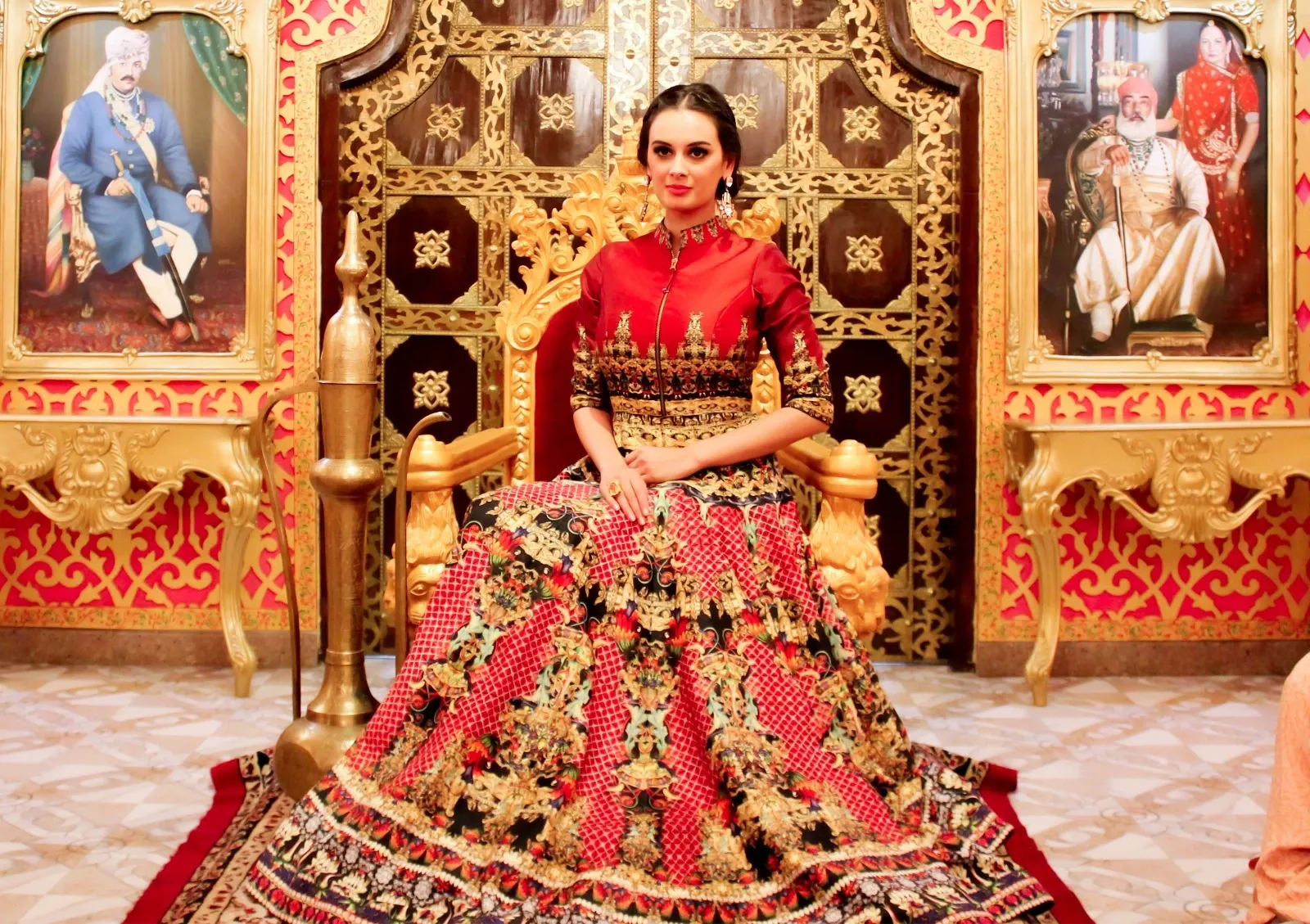
The safa, also called a pagdi, is the star. It is the Rajasthani turban, tied in Jaipuri or Jodhpuri style, and for celebrations it is often made of leheriya, the wave-patterned cloth that Rajasthan wears for festivals. It is for anyone who wants one: men, women and children.
For women, the odhni (or chunari) comes as a leheriya or bandhani
drape, both tie-and-dye textiles, or in gota work, with its shimmering metallic
ribbon. Add a stack of lac bangles, Jaipur's signature craft, and the
look is complete. Children get their own version: an angrakha, a pagdi and
jewellery that turns them into little kings and queens. Small accessories such
as a mala, a brooch and mojri-style props finish the picture for photographs.
|
Outfit |
What
it is |
Who
wears it |
|
Safa / pagdi |
Rajasthani turban, Jaipuri or
Jodhpuri style |
Anyone who wishes |
|
Odhni / chunari |
Leheriya, bandhani or gota-work
drape |
Women |
|
Lac bangles |
Jaipur's signature craft |
Guests |
|
Angrakha, pagdi and jewellery |
Children, as kings and queens |
Why Does the Outfit Experience Matter?
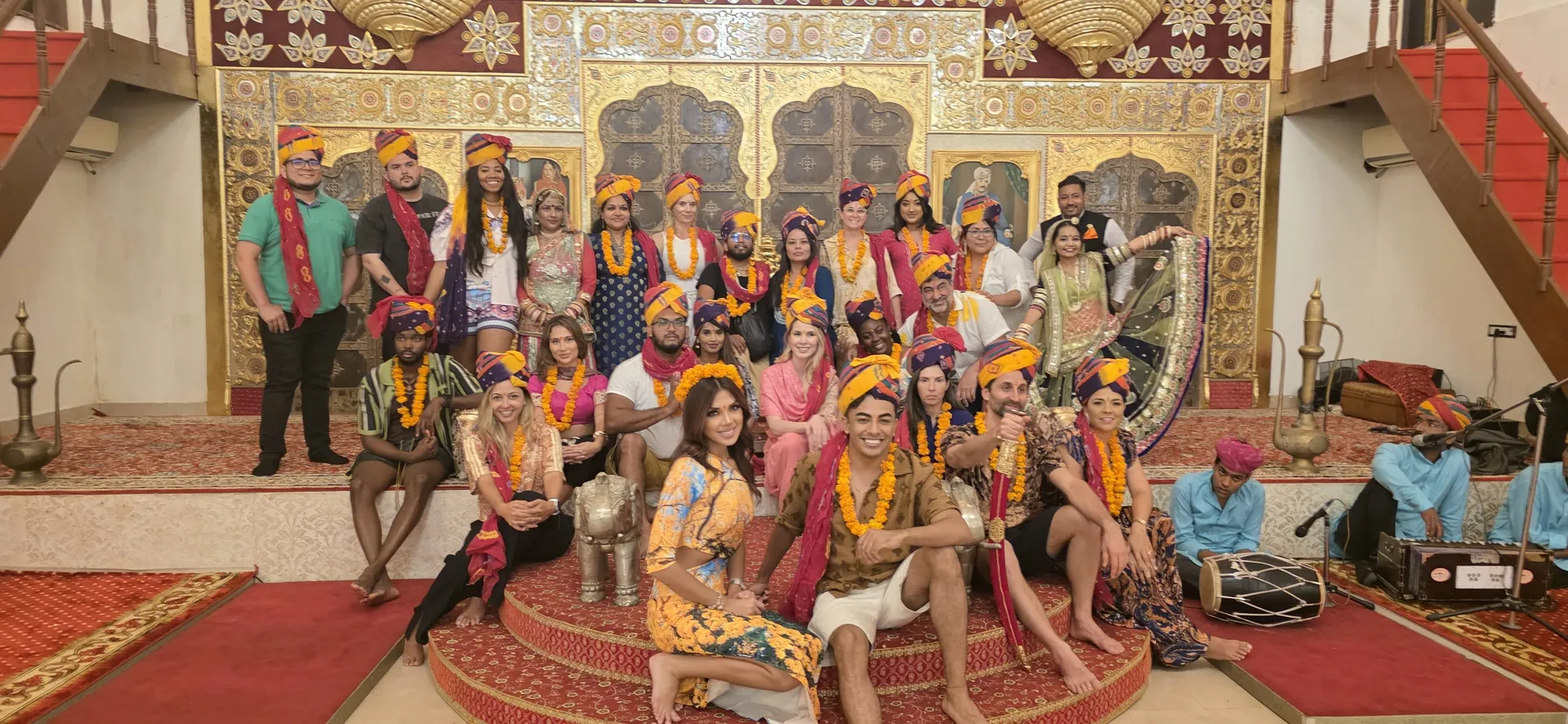
Because dress changes behaviour. Guests in safas tend to sit straighter
on the throne, children in royal costume lean in when a host tells a heritage
story, and the photographs stop looking like tourist snaps and start looking
like portraits. A turban is not a prop when someone explains it.
That explanation is what sets the evening apart. At Virasat, hosts tell
you what the colours and styles mean, so a safa becomes a piece of Rajasthani
history rather than a costume. If you want the bigger picture behind the
rituals, read about the royal traditions of Jaipur, or see how it all
fits together in the Indian royal
culture experience.
Where to Do It in Jaipur
Looking for a traditional outfit experience in Jaipur that comes with
dinner and a show? The place is Virasat
Heritage Restaurant, on Delhi Road near Sai Baba Temple, Kukas.
Dressing is part of the welcome, followed by throne portraits in the darbar hall and
reflections in the mirrored Sheesh Mahal lounge.
For families, the Royal
Kids Program is the centrepiece. Children are dressed as kings and
queens, given a royal walk and a feet-wash welcome, and taken through heritage
classes. School groups can book the Royal Educational
Trip, which includes costumes too. Browse the gallery to see how it looks.
If you would rather take something home, Johari Bazaar and Bapu Bazaar in
the old city sell safas, leheriya and lac bangles. They make a good stop on a
night out; see our guide to the things
to do in Jaipur at night.
When Is the Best Time?
Come in the evening, before the folk programme begins: dress first, then
throne photos, then dinner. Children's programmes can be scheduled in the
afternoon or early evening on request. Festival weeks add colour, with leheriya
at Teej and seasonal shades at Gangaur,
and from October to March the winter lawns add lantern-lit evenings. Weekends
and wedding season fill early, so book
ahead.
How the Experience Flows
1.
Arrive and be welcomed. Dhol, petals, tilak and
aarti at the door.
2.
Get dressed. Hosts tie safas and drape odhnis;
children are fitted with costumes.
3.
Take your portraits. Sit on the throne and step
into the Sheesh Mahal lounge for mirror shots. For tips, see our guides to heritage
experience photos in Jaipur and cultural
photography in Jaipur.
4.
Dine and watch. A live folk performance and the
royal thali arrive together.
5.
Join the finale. Guests dance Ghoomar in
costume, which is a frame worth saving space on your phone for.
This is the same evening described in our live like a king in
Jaipur guide, with dress-up as the opening act.
Who Enjoys It Most?
Families with children, couples, international travellers and wedding
guests who want a themed welcome. Groups can request matching safas in their
event colour through the enquiry
form, which works well for weddings and celebrations; see Virasat as a wedding venue in
Jaipur. To understand the dinner behind the dress-up, read about the cultural dinner
show in Jaipur.
Frequently Asked Questions
Is the traditional outfit experience in Jaipur included with dinner?
Safa and odhni dressing for photos is part of the evening welcome at
Virasat. Children's full costumes are part of the Royal Kids Program and can be
requested for family visits.
Can I buy a safa or odhni?
Virasat provides them for the evening. Johari and Bapu Bazaar in the city
sell safas, leheriya and lac bangles if you wish to buy.
Do you tie safas for women too?
Yes, anyone who wishes can have a safa tied.
Are costumes hygienic and sized for children?
Yes. Costumes are maintained and available in a range of children's
sizes.
Can a group get matching safas?
Yes, matching safas in a chosen colour can be arranged for groups and
weddings with advance notice.
What is a safa?
A safa, also called a pagdi, is the traditional Rajasthani turban. Its
colour and style once signalled region and occasion.
What is leheriya?
Leheriya is a wave-patterned, tie-and-dye textile worn in Rajasthan,
especially around festivals such as Teej.
Is there a Rajasthani dress-up experience for kids in Jaipur?
Yes. The Royal Kids Program dresses children as kings and queens, with a
royal walk, a feet-wash welcome and heritage classes.
How far is Virasat from Jaipur city?
About 30 to 40 minutes from the old city and 15 minutes from Amer Fort,
on Delhi Road in Kukas.
Plan Your Visit to Virasat
If you have ever wanted to know how it feels to wear a safa and be
welcomed like royalty, a traditional outfit experience in Jaipur at Virasat is
the evening for it. Virasat Heritage
Restaurant is on Delhi Road, Kukas, Jaipur, about 15 minutes from Amer
Fort. Book a table for
the royal thali and live folk performances, send a banquet enquiry for weddings and
group events, or contact us on
WhatsApp at +91 73749 99951.
Related reading
Authentic Indian Dinner Experience: What It Should Include and Where to Find It in Jaipur
an authentic Indian dinner experience includes dishes from one regional cuisine (such as Rajasthani dal baati churma, gatte ki sabzi and ker sangri), traditional thali service in brass or silver, a hospitality welcome (tilak, aarti), eating with your hands if you wish, and live regional music or dance. Virasat Heritage Restaurant in Kukas, Jaipur offers this nightly in a heritage darbar hall.
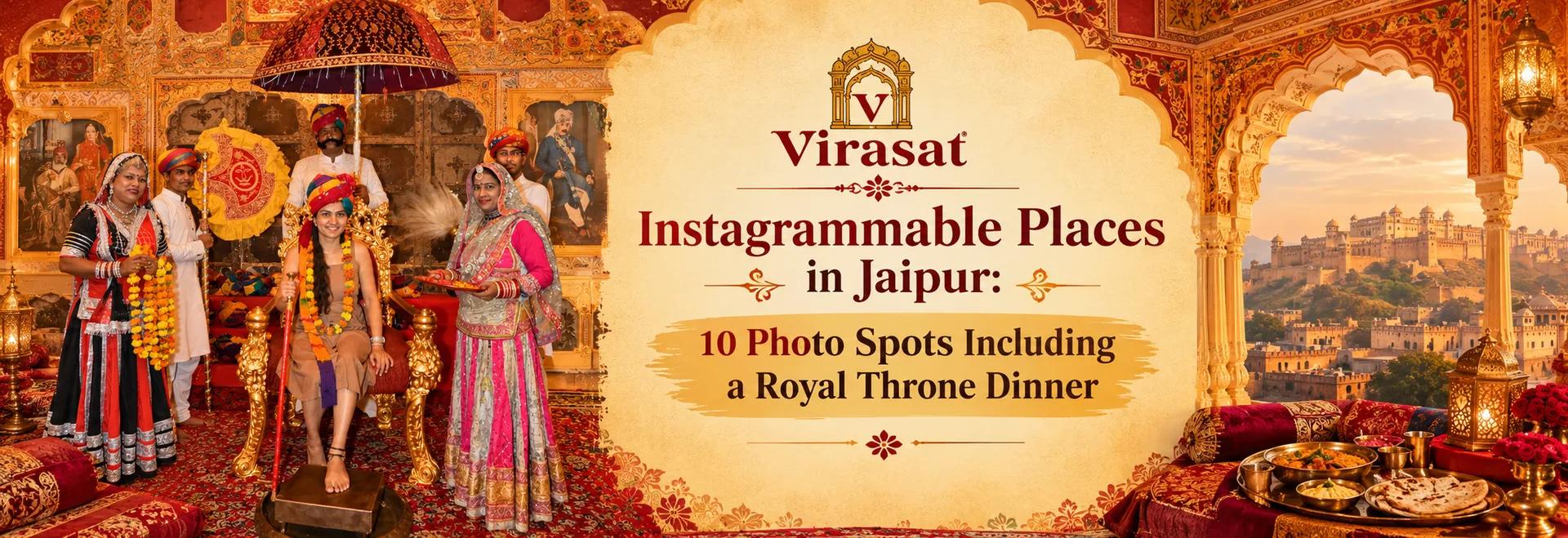
Instagrammable Places in Jaipur: 10 Photo Spots Including a Royal Throne Dinner
the most Instagrammable places in Jaipur are Hawa Mahal from the opposite café, Patrika Gate, Amer Fort's Ganesh Pol and Sheesh Mahal, Jal Mahal at golden hour, Panna Meena ka Kund, the City Palace blue room, Nahargarh at sunset, Johari Bazaar, the Jaigarh ramparts and, for a portrait most travellers never get, a royal throne dinner at Virasat Heritage Restaurant in Kukas.
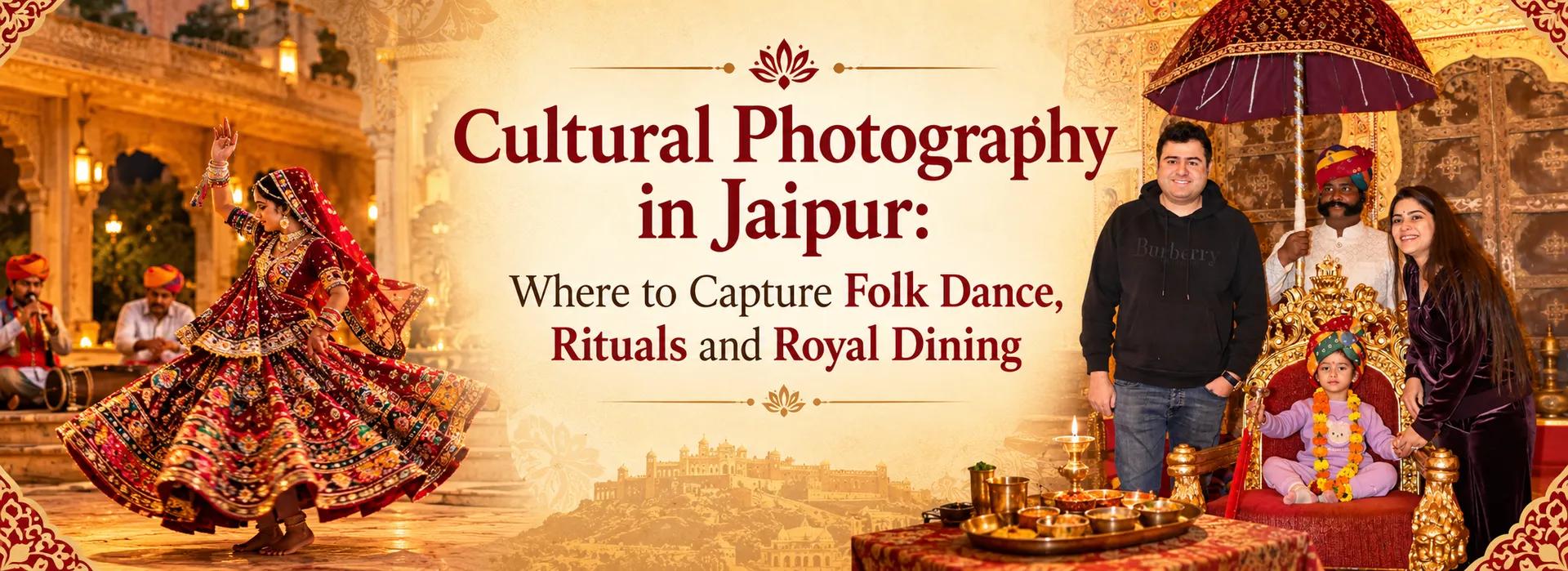
Cultural Photography in Jaipur: Where to Capture Folk Dance, Rituals and Royal Dining
Cultural photography in Jaipur is about people and living traditions, such as Kalbeliya dancers mid-spin, a sarangi player's hands, tika and aarti at a welcome, and a brass thali being served, rather than only monuments. The most reliable place to photograph all of these in one evening is a heritage folk dinner such as Virasat Heritage Restaurant (Delhi Road, Kukas), where performers, rituals and royal dining happen nightly in warm, consistent light. Guests may photograph freely, and professionals should book shoot-friendly timings.
Visit Virasat Heritage Restaurant
Experience the royal dining we write about.