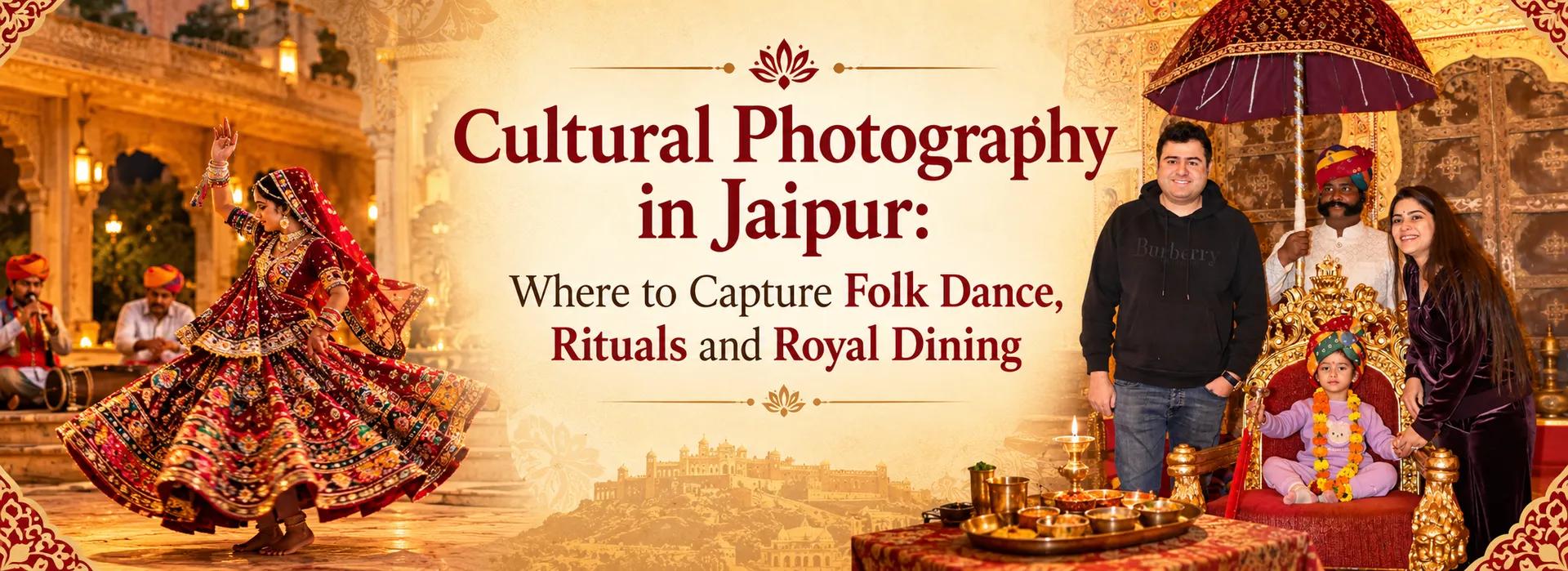
Cultural Photography in Jaipur: Where to Capture Folk Dance, Rituals and Royal Dining
Anyone who has tried street photography in Jaipur knows the feeling: the
colours are incredible, but the light shifts, crowds close in and the best
moment is gone before you lift the camera. Now imagine the same faces, costumes
and rituals arriving in a set order, under warm light, performed by people used
to cameras. That is cultural photography in Jaipur at its most
dependable.
Cultural photography in Jaipur is about
people and living traditions, such as Kalbeliya dancers mid-spin, a sarangi
player's hands, tika and aarti at a welcome, and a brass thali being
served, rather than only monuments. The most reliable place to photograph all
of these in one evening is a heritage folk dinner such as Virasat Heritage Restaurant (Delhi
Road, Kukas), where performers, rituals and royal dining happen nightly in
warm, consistent light. Guests may photograph freely, and professionals should
book shoot-friendly timings.
Street and festival photography in Jaipur is rewarding but unpredictable.
For dependable frames of performers you can approach, rituals you can
anticipate, and food styled traditionally, a heritage dinner venue is the
photographer's friend. This guide covers what to shoot, why a folk dinner is
ideal, where to position yourself, when the light works and how to shoot
respectfully.
What Cultural Subjects Can You Photograph in Jaipur?
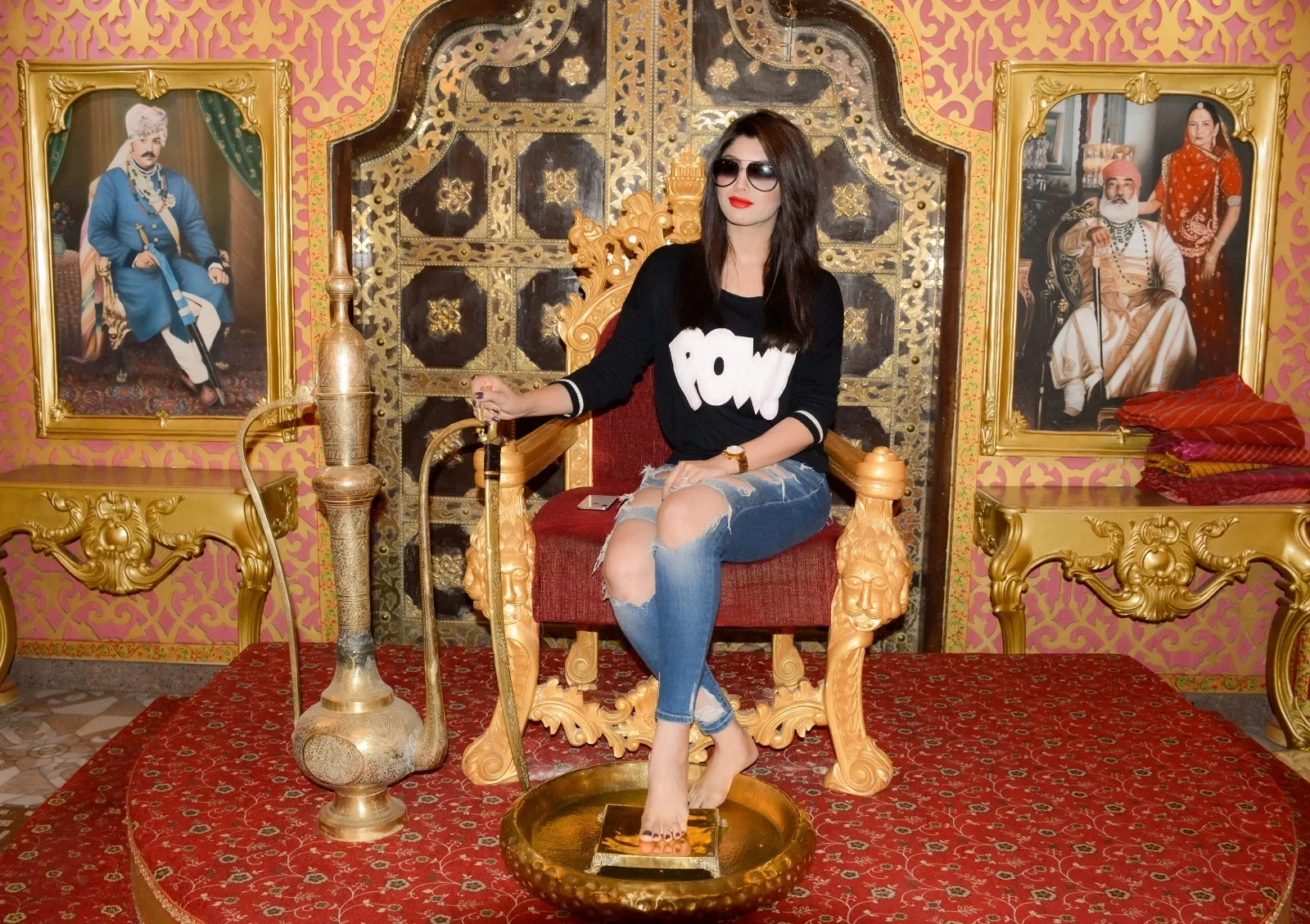
Use this table as your subject brief.
|
Subject |
What
to capture |
Shooting
tip |
|
Folk dance |
Kalbeliya spins, Ghoomar veils,
Bhavai pot-balancing |
Fast shutter and burst mode |
|
Musicians |
Khartal, morchang, sarangi and
dhol in action |
Focus on hands and instruments |
|
Rituals |
Tika, aarti, petal shower, feet
wash, safa tying |
Shoot from the side, anticipate
the moment |
|
Puppetry |
Kathputli faces and the
puppeteer's hands |
Light faces from the front |
|
Food |
Brass and silver thalis, baati
and churma, kulhad drinks |
Shoot from above or at 45
degrees |
|
Architecture as backdrop |
Darbar hall, mirrored lounge,
lanterns |
Use as context behind people |
For ideas outside the venue, see our guide to the things
to do in Jaipur at night.
Why Is a Heritage Folk Dinner Ideal for Cultural Photography?
The answer is predictability and access. Performances follow a
programme, performers are used to cameras, rituals happen at known moments, and
the venue lighting is warm and even. In about two hours, you can shoot three
kinds of frames:
•
Wide: the hall with dancers, guests and
lanterns.
•
Medium: ritual moments such as the welcome and
safa tying.
•
Macro: hands, instruments and food details.
Compare this with our heritage experience photos in the Jaipur guide,
which focuses on a story sequence for travellers, while this guide is for
photographers and content creators. To understand what you are shooting, read
about the royal traditions of Jaipur and the cultural dinner
show in Jaipur.
Photographer's Kit for a Folk Dinner
•
Fast 35mm or 50mm for ambience and wide frames.
•
85mm or 70-200mm for performer close-ups and
musician details.
•
Spare battery and card, because burst mode
drains both.
•
Small tripod (guests only; see the FAQ for
coordination).
•
No flash, since it distracts dancers and
flattens the scene.
Where to Position Yourself at Virasat
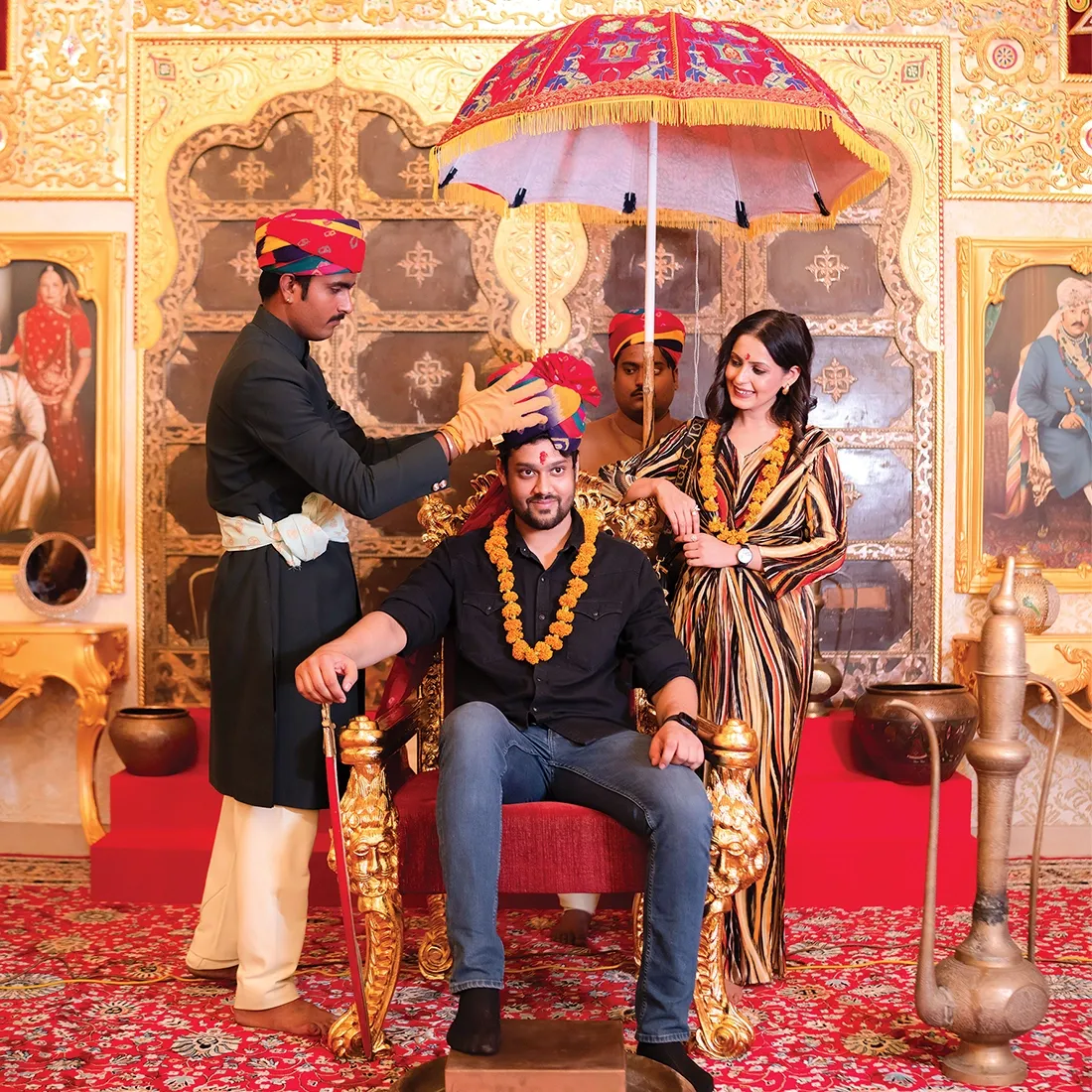
Virasat is a heritage
restaurant in Jaipur with several zones, each good for a different type
of frame.
|
Zone |
What
to shoot |
Position |
|
Gate |
Welcome rituals with petals |
Stand to the side of the
arriving group |
|
Dancers and throne portraits |
Front-corner tables for the
dancers' approach |
|
|
Reflections and detail shots |
Angle so mirrors catch warm
light |
|
|
Lawn (winter) |
Lanterns and performers under
the sky |
Wide frame with the sky behind |
Address: Delhi Road, near Sai Baba Temple, Kukas, Jaipur. Browse the gallery for reference
angles.
When Does the Light Work Best?
|
Moment |
Light |
Tip |
|
Arrival and welcome |
Blue hour and warm gate lights |
Higher ISO; capture petals
mid-air |
|
Dance performances |
Warm tungsten hall |
Fast shutter (1/500 or faster)
and burst mode |
|
Thali service |
Table-level warm light |
Shoot from above or at 45
degrees |
|
Lawn programme (winter) |
Lanterns, low light |
Wide aperture; embrace motion
blur |
A Sample Two-Hour Shoot Plan
1.
Arrival: shoot the gate welcome in blue-hour
light.
2.
Rituals: capture tika, aarti, feet wash and safa
tying from the side.
3.
Throne and lounge: take portraits at the darbar
throne and reflections at Sheesh Mahal.
4.
Performances: shoot Kalbeliya, Ghoomar and
Bhavai from a front-corner table, using burst mode.
5.
Details: photograph musicians' hands, puppets
and the brass thali.
6.
Finale: end with a wide frame of the guest
Ghoomar circle.
How to Photograph Respectfully
•
Ask before close portraits. Most performers
happily pose after a set.
•
Do not use flash during dances. It distracts
dancers and flattens the scene.
•
Shoot rituals from the side. Never step between
host and guest.
•
Share images with performers if they ask. Many
appreciate it.
•
Professional shoots: contact the team for timing and
permissions.
Who Is This Guide For?
Travel photographers, content creators, hobbyists and families who want
better photos of their evening. Combine it with an Amer Fort morning (15
minutes away) for a full Jaipur photography day. Planning a pre-wedding
or brand shoot? Read about the traditional
dance dinner and folk
performance with dinner to plan your shots. Want to be part of the
frame yourself? Try the Live Like a King in Jaipur evening, and see the Indian
royal culture experience for a wider look.
Frequently Asked Questions
Can I photograph the performers at Virasat?
Yes. Guests may photograph and film performances. Please avoid flash
during dances and ask before close portraits.
Is a tripod allowed?
Small tripods are generally fine for guests. For professional setups,
please coordinate with the team in advance.
What lens is best for folk dance photography in a hall?
A fast 35mm or 50mm for ambience, and an 85mm or 70-200mm for performer
close-ups, work well in warm hall light.
When is the best time for cultural photography in Jaipur?
Evenings for folk dinners and rituals, and October to March for
lantern-lit lawn programmes and festival colours.
What is the best place for cultural photography in Jaipur?
A heritage folk dinner such as Virasat Heritage Restaurant, where
performers, rituals and food are photographable in one evening.
Do you host photography workshops or groups?
Photography groups are welcome. Contact the team to arrange seating with
clear sightlines.
Can I do a professional shoot at Virasat?
Yes, with prior coordination for timing and permissions.
How far is Virasat from Amer Fort?
About 15 minutes along Delhi Road, making a fort-plus-dinner photo day
easy.
Plan Your Visit to Virasat
Ready for cultural photography in Jaipur that feels effortless? Virasat Heritage Restaurant is on
Delhi Road, Kukas, Jaipur, about 15 minutes from Amer Fort. Book a table for the royal
thali and live folk performances, send a banquet enquiry for
weddings and group events, or contact
us on WhatsApp at +91 73749 99951.
Related reading
Authentic Indian Dinner Experience: What It Should Include and Where to Find It in Jaipur
an authentic Indian dinner experience includes dishes from one regional cuisine (such as Rajasthani dal baati churma, gatte ki sabzi and ker sangri), traditional thali service in brass or silver, a hospitality welcome (tilak, aarti), eating with your hands if you wish, and live regional music or dance. Virasat Heritage Restaurant in Kukas, Jaipur offers this nightly in a heritage darbar hall.
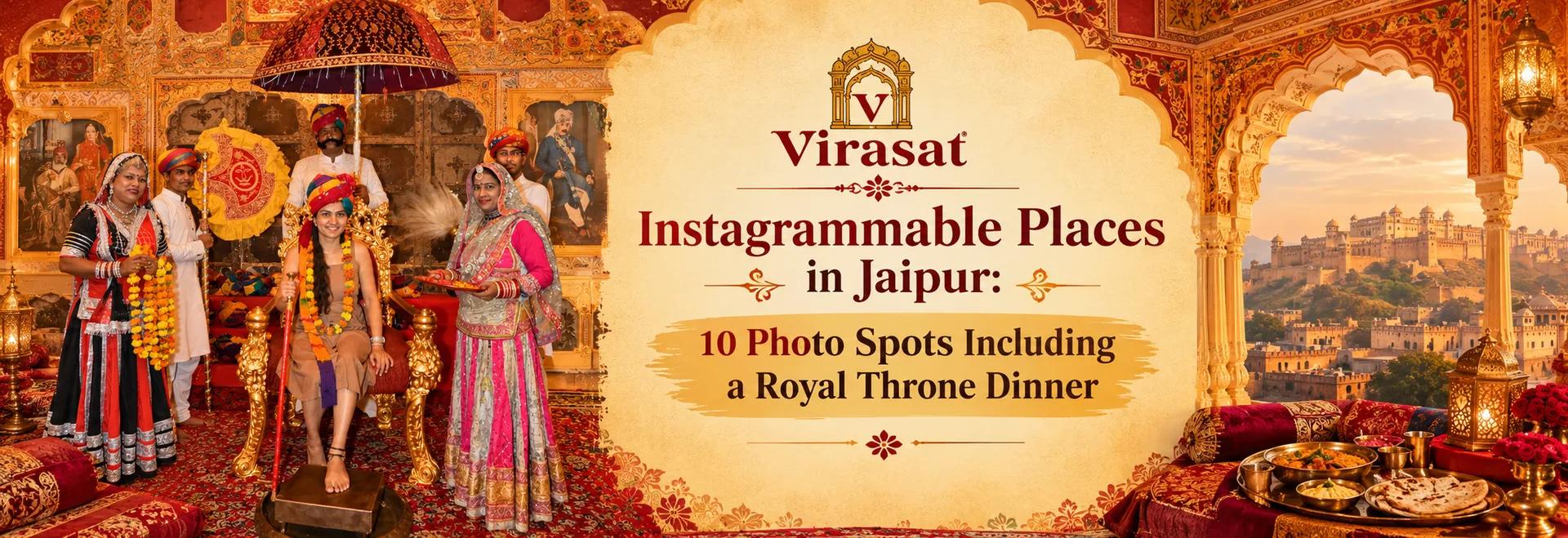
Instagrammable Places in Jaipur: 10 Photo Spots Including a Royal Throne Dinner
the most Instagrammable places in Jaipur are Hawa Mahal from the opposite café, Patrika Gate, Amer Fort's Ganesh Pol and Sheesh Mahal, Jal Mahal at golden hour, Panna Meena ka Kund, the City Palace blue room, Nahargarh at sunset, Johari Bazaar, the Jaigarh ramparts and, for a portrait most travellers never get, a royal throne dinner at Virasat Heritage Restaurant in Kukas.
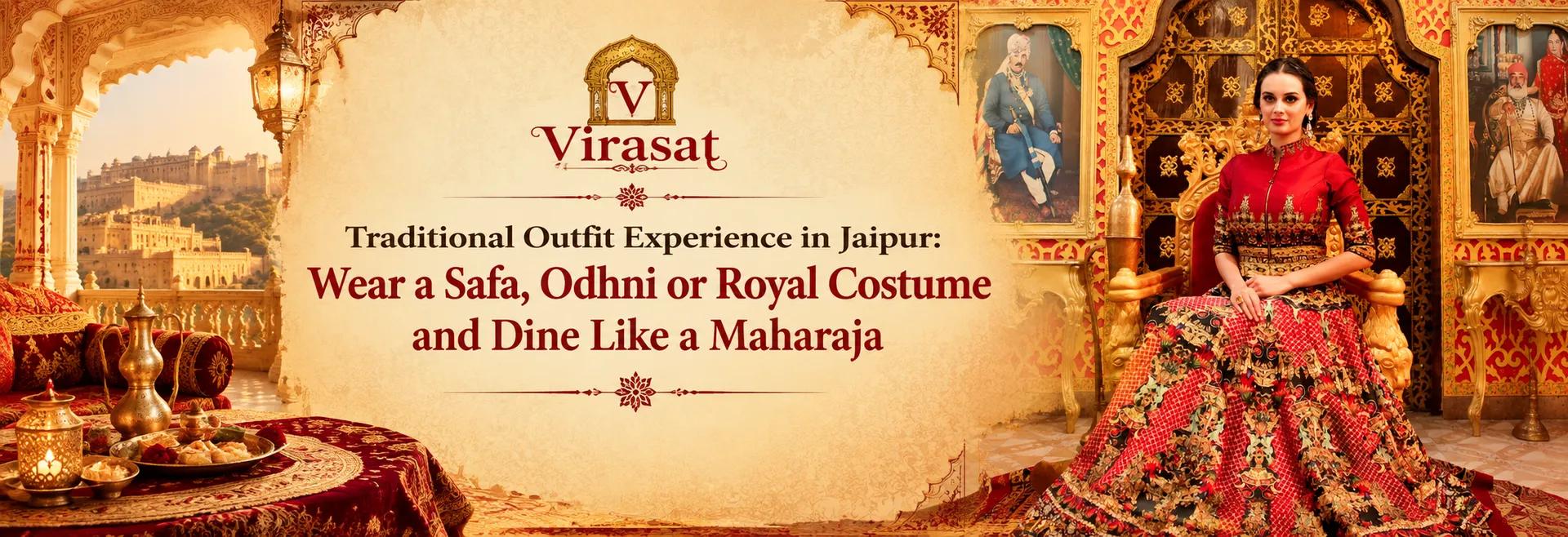
Traditional Outfit Experience in Jaipur: Wear a Safa, Odhni or Royal Costume and Dine Like a Maharaja
That small moment is the heart of a traditional outfit experience in Jaipur. You put on Rajasthani dress: a hand-tied safa (turban), a leheriya or bandhani odhni, lac bangles and, for children, a full king-or-queen costume. Then you sit down in a heritage darbar hall to a live folk performance and a long, generous dinner. At Virasat Heritage Restaurant in Kukas, dress-up is part of the evening programme and of the Royal Kids Program, about 15 minutes from Amer Fort.
Visit Virasat Heritage Restaurant
Experience the royal dining we write about.