Ethnic Dining Experience in India: What It Means and Where to Find the Best One in Rajasthan
It is easy to order dal baati churma in
almost any big city today. What is not easy is eating it the way Rajasthan
does: on the floor, from brass, with a host who keeps refilling your plate and
a folk singer in the corner.
That gap between ordering a dish and experiencing
a cuisine is exactly what people mean when they search for an ethnic dining experience in India. It
is not about spice levels or menu length. It is about eating a region's food
the way the region itself eats it, with its own serving ware, seating, music
and manners. And in Rajasthan, one of the most complete versions of this is the
royal thali dinner served at Virasat Heritage Restaurant in
Kukas, Jaipur.
Quick
Answer: An ethnic dining experience in India
combines regional recipes, traditional serving vessels, local seating customs,
live folk culture and hospitality rituals. In Rajasthan, the benchmark is a
royal thali dinner with folk music and dance, available daily at Virasat
Heritage Restaurant on Delhi Road, Kukas, Jaipur (open 11 AM to 11 PM, pure
vegetarian). Reserve a table or
call +91 73749 99951.
What Is an Ethnic Dining Experience in India?
India is not one cuisine. It is dozens of
food cultures, each with its own etiquette. As chef Sanjeev Kapoor explains in
his note on dining
formats in India, the way a meal is served, from a thali to a banana leaf
to a multi-course celebration, changes from region to region.
A genuine ethnic dining experience has five layers. Remove one and it starts
to feel like a theme.
|
Layer |
What
it means |
Genuine
looks like |
Decorative
looks like |
|
Regional
recipes |
Local ingredients and techniques |
Dishes that are hard to find elsewhere |
A generic menu with a regional name |
|
Serving
ware |
Brass, silver, clay or leaf |
Food served the traditional way |
Standard plates with props |
|
Seating |
Floor, low tables or a royal hall |
Seating tied to local custom |
Chairs only, with decor on the walls |
|
Living
culture |
Folk music, dance, storytelling |
Performers who do this as their art |
Recorded music in the background |
|
Hospitality
ritual |
Tika, aarti, garlands, personal welcome |
A greeting that feels personal |
A host stand and a menu |
Ethnic Dining Across India: A Quick Regional Tour
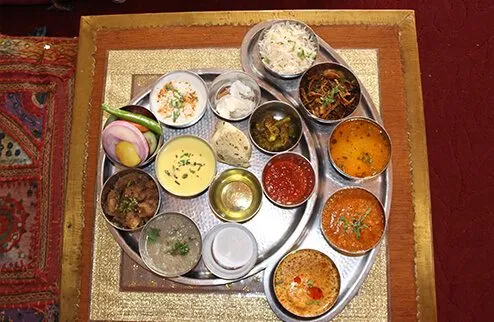
To understand what makes the Rajasthani version special, it helps to see it beside others. This is a simple map of traditional Indian dining and regional Indian cuisine:
|
Region |
Signature
format |
What
to expect |
|
Kerala |
Sadya |
A vegetarian feast on a banana leaf,
often for festivals like Onam. See the Kerala
Tourism guide to traditional sadya |
|
West
Bengal |
Bengali thali |
A meal eaten in sequence, with dishes
such as shukto, dal, aloo posto and fish curry |
|
Gujarat |
Gujarati thali |
A balance of sweet, salty and tangy, with
farsan, shaak, kadhi and sweets |
|
Maharashtra |
Maharashtrian thali |
Simple home food such as bhakri, pithla
and stuffed brinjal |
|
Kashmir |
Wazwan |
A ceremonial, multi-course wedding feast |
|
Rajasthan |
Royal Rajasthani thali |
Dal baati churma, gatte ki sabzi, ker
sangri, bajra roti, kadhi and ghevar |
For a wider overview of regional plates, Restaurant
India's guide to regional thalis is a good read, and Healthline's explainer
on the Indian thali covers the idea of balancing six tastes in one meal.
The thali itself simply means
a plate or tray, but it has come to mean the meal.
Why Rajasthan Is a Favourite for Ethnic Dining
Rajasthan's food was shaped by two very
different kitchens. The desert gave it dishes built to last in heat and
scarcity, such as ker sangri and bajra roti. The royal courts gave it elaborate
preparations like ghevar and churma. You can read more about the region's Rajasthani cuisine
and the history of dal
baati churma.
Then there is the music. Ghoomar and Kalbeliya are living folk
traditions, and Kalbeliya is listed by UNESCO as intangible
cultural heritage. Add the setting of a UNESCO World Heritage city like
Jaipur, and a meal turns into a cultural evening.
Where to Find an Ethnic Rajasthani Dinner in Jaipur
There are a few formats, each with its own
strengths.
|
Format |
Best
for |
Things
to keep in mind |
|
Home
dinner with a local family |
Small groups who want conversation and
recipes (several tours are listed on by Food's India dining
experiences) |
Limited group size, usually booked via a
tour operator |
|
Village-themed
resort |
Families who want rides, games and shows
in one place |
Larger and more entertainment-led |
|
Heritage
restaurant |
Travellers, families and wedding or
corporate groups who want a hosted, royal-style evening |
Fixed format, pure vegetarian at Virasat |
Virasat
Heritage Restaurant is on Delhi Road, near Sai Baba
Temple, Kukas, Jaipur, and says it is about 15 minutes from Amer Fort. It has
served a Rajasthani royal thali with live folk performances since 2006. The
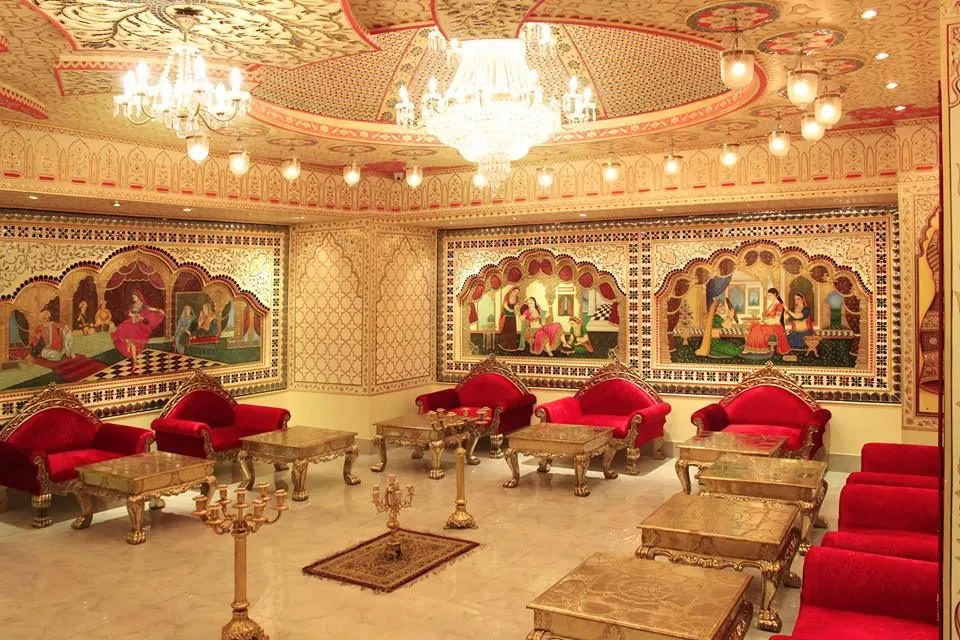
spaces include the grand darbar hall, Swarn Mahal, the
mirror-work Sheesh
Mahal, the rustic Marwari-themed Jodhana and the
contemporary The Jaipar,
plus the Parampara banquet
hall and garden for celebrations. Browse the gallery or read why it is called
one of the best
heritage restaurants in Jaipur.
How to Tell a Genuine Ethnic Restaurant From a Themed One
Use this checklist before you book
anywhere.
1.
Is the music live? Ask who the
performers are and whether they are traditional folk artists.
2.
Does the thali include regional staples
such as bajra roti, ker sangri and churma, not just dal and rice?
3.
Is there a welcome ritual? Tika, aarti
or a Padharo Mhare Des greeting say a
lot about the intent. The idea echoes Atithi Devo Bhava,
the old Indian principle of treating the guest with honour.
4.
Is the building or decor rooted in heritage, or only props?
5.
Is the serving style traditional, brass
or silver, with refills?
6.
Do recent guest photos and reviews match the website? Check Google and Tripadvisor.
7.
Can you ask questions? A genuine place
welcomes curiosity about dishes and customs.
8.
Does the evening feel unhurried? A meal
that is rushed is rarely cultural.
What to Eat: A Rajasthani Thali Walkthrough
At Virasat the Sampoorna Rajasthani Thali
is served unlimited. A typical plate includes:
•
Dal baati churma: lentils with baked
wheat balls and a sweet, crumbled finish.
•
Gatte ki sabzi: gram-flour dumplings in
a tangy gravy.
•
Ker sangri: a desert-bean preparation, a
signature of the region.
•
Panchmel dal, kadhi and bajra roti with lehsun chutney: the everyday comfort dishes.
•
Mirchi vada and pyaaz kachori: the crisp
starters.
•
Ghevar, malpua and mawa kachori: the
sweets.
Everything is 100% pure
vegetarian. Rajasthani cuisine as a whole also includes meat dishes, but at
Virasat the thali is fully vegetarian. If you follow Jain food rules or prefer
milder dishes, tell the team when you book.
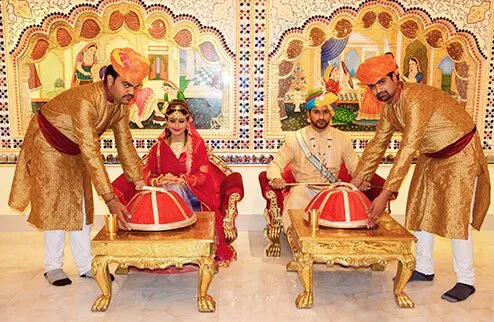
Eating Like a Local: First-Timer Tips
•
Eat with your hands if you are
comfortable. Many people find it adds to the taste, and thalis are rarely eaten
with cutlery.
•
Expect refills. Servers will keep
offering, so say when you have had enough.
•
Mix as you go. Break the baati, add dal
and ghee, and keep the churma for later.
•
Pace yourself. An unlimited thali is a
marathon, not a sprint.
•
Ask questions. The people serving you
usually enjoy sharing what each dish is.
Who Enjoys It Most?
•
First-time visitors to India who want
food and culture in a single evening.
•
Food travellers who like regional
cooking.
•
Families introducing children to Indian
culture. See the Royal
Kids Program and the best family
restaurant in Jaipur page.
•
School and college groups on the Royal Educational Trip.
•
Wedding and corporate groups looking for
a hosted evening. Browse the wedding venue in
Jaipur, birthday
party venue and corporate event
venue pages.
Mixed groups who want variety can ask about
the multi-cuisine menu at The Jaipar alongside the Rajasthani thali.
FAQs: Ethnic Dining Experience in India
What is an ethnic dining experience?
A meal that
immerses you in a region's culture through its recipes, serving ware, seating
customs, music and hospitality, rather than just serving food on a standard
restaurant table.
Which Indian state is best for an ethnic dining experience?
Every region has its own, from Kerala's sadya to Kashmir's wazwan.
Rajasthan is a favourite because its royal thali, folk music and dance are
living traditions, and Jaipur is the most accessible city for it.
Is Rajasthani ethnic food vegetarian?
Rajasthani
cuisine includes both vegetarian and meat dishes. The thali at Virasat is fully
vegetarian, with options for Jain and milder preferences. Tell the team when
you book.
Can international guests handle the spice?
Many do. Ask
the team about milder preparations and which dishes to try first.
How
do you eat a thali? Start with a little of
everything, mix dal with baati or roti, eat with your hands if you like, and
keep the sweets for later.
How long does a thali dinner take?
Plan an unhurried
evening, since dinner and performances are meant to be enjoyed slowly. Confirm
timings when you reserve.
Does Virasat have multi-cuisine options too?
Yes. The
Jaipar hall offers a multi-cuisine menu for groups who want variety.
How do I book an ethnic dinner at Virasat?
Book online, send a banquet enquiry for
groups, or call +91 73749 99951. You can also read the FAQ or contact the team.
Final Thoughts
The best ethnic dining experience in India is not a menu. It is an evening where the food, the room, the music and the welcome all belong to the same place. If you want that in Rajasthan, spend one night at Virasat. Reserve your table or call +91 73749 99951.
More guides are on the Virasat
blog.
Related reading
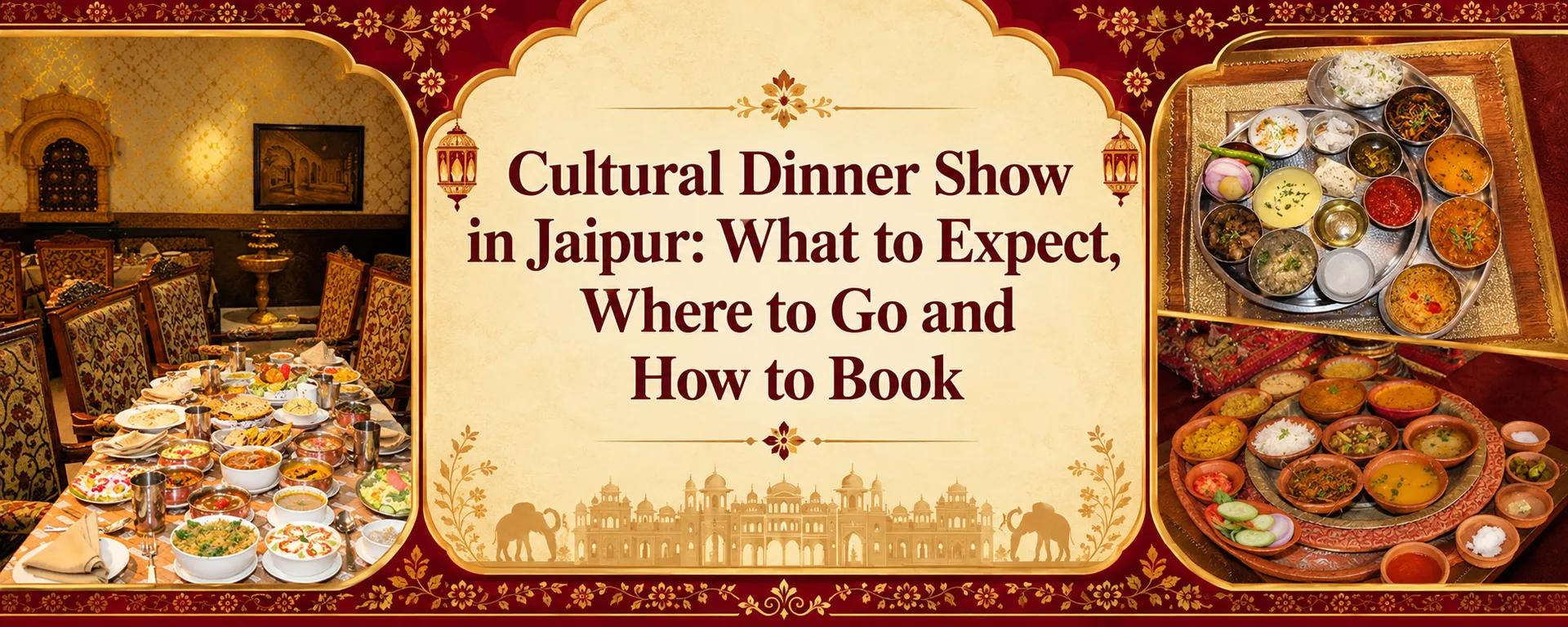
Cultural Dinner Show in Jaipur: What to Expect, Where to Go and How to Book
The short answer: A cultural dinner show in Jaipur is an evening of live Rajasthani folk music and dance (Kalbeliya, Ghoomar, Bhavai, puppetry) served with a traditional unlimited thali. Virasat offers it daily on Delhi Road, Kukas, about 15 minutes from Amer Fort. Book a table or call +91 73749 99951.
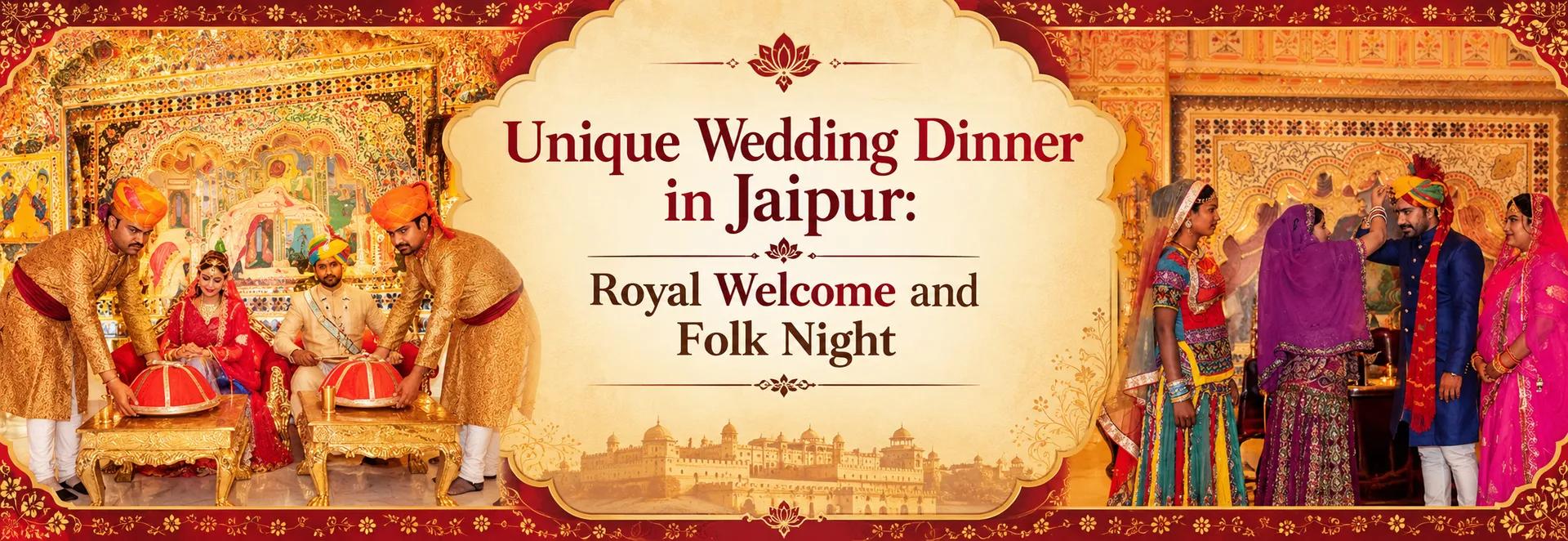
Unique Wedding Dinner in Jaipur: Royal Welcome, Folk Night and Rajasthani Feast for Your Guests
A unique wedding dinner in Jaipur is one that could only happen in Jaipur: a personal welcome at the door, a regional thali served the traditional way, live folk music and a heritage setting. Virasat Heritage Restaurant on Delhi Road, Kukas offers this as a pure vegetarian, unlimited-thali dinner. Smaller groups dine in its restaurant halls, while larger wedding functions move to the Parampara Banquet Hall and Garden. Call +91 73749 99951 or send an enquiry.
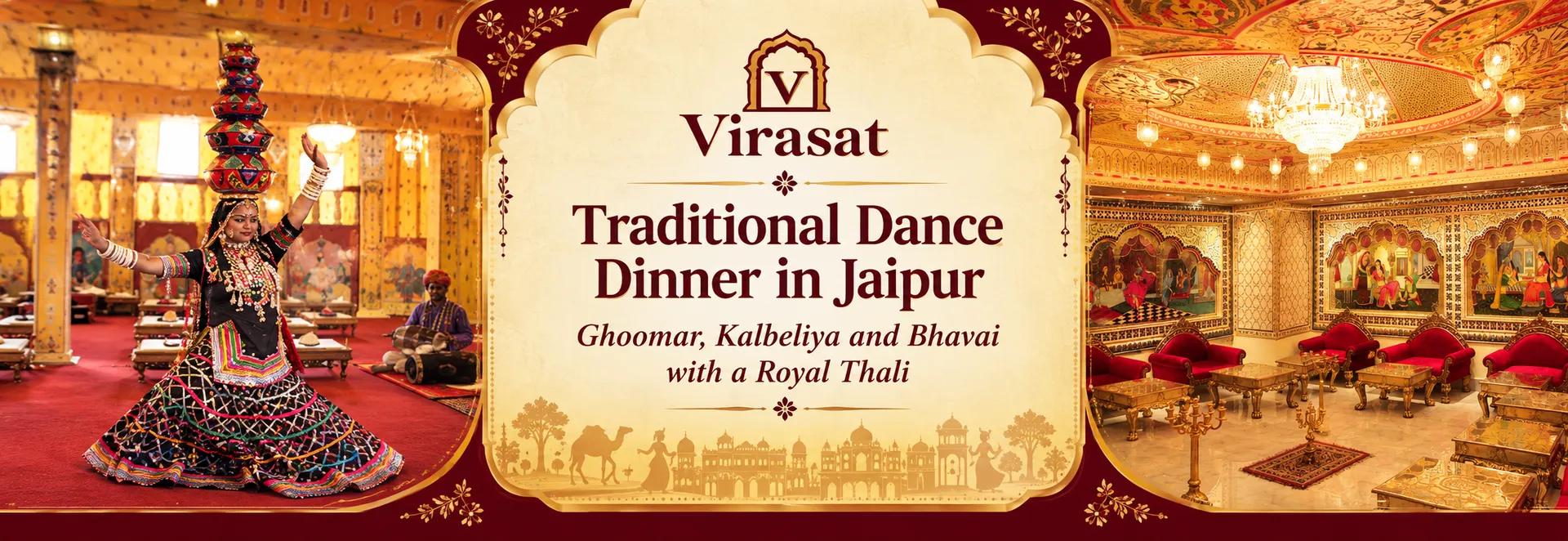
Traditional Dance Dinner in Jaipur: Ghoomar, Kalbeliya and Bhavai with a Royal Thali
Quick Answer: At a traditional dance dinner in Jaipur, you can expect Ghoomar (the swirling veil dance of Rajput women), Kalbeliya (the serpentine dance of the snake-charmer community), Bhavai (balancing brass pots) and a Kathputli puppet act, served with dal baati churma, gatte ki sabzi, ker sangri and ghevar. Virasat Heritage Restaurant hosts this nightly on Delhi Road, Kukas. Book a table or call +91 73749 99951.
Visit Virasat Heritage Restaurant
Experience the royal dining we write about.